
For many parents, the first English lesson can feel a little mysterious. What actually happens in the classroom? Do children sit at desks? Do they repeat words again and again?
At a Pingu’s English centre in Italy the experience is designed very differently.
A typical lesson for children is lively, varied and carefully structured around the way young learners naturally learn. English is not presented as a school subject to memorise, but as something children can experience through action, sound, images, movement and routine.
This is one reason many children relax quickly once the lesson begins. The environment is meant to feel safe and engaging, and the teaching style aims to keep children involved from the first minutes.
Public information from Pingu’s English explains that lessons for this age group use games, stories, songs, creative activities and multimedia resources, all connected to a communicative and child-friendly method.
That means children are not expected to be perfect. They are encouraged to listen, join in, try, repeat and gradually grow in confidence.
The lesson usually begins with listening and discovery.
A typical lesson often starts with a warm, familiar opening. This may include greetings, a simple routine, a song, a short question-and-answer exchange or a quick activity that helps children switch into English mode.
This first stage is important because it gives children a sense of continuity and helps them feel secure. In the Pingu’s English method, listening comes first.
Before children are asked to produce language, they are exposed to it clearly and repeatedly.
New vocabulary or expressions are usually introduced in a way that feels natural: through a story, a visual prompt, a song, a character, a short video or a classroom game.
For young children, understanding often develops before speaking, so the teacher does not rush the process.
Instead, the lesson creates opportunities for children to hear useful language in context and begin to recognise meaning.
This approach fits well with the programme’s spiral design, in which topics such as family, food, toys, colours and numbers return over time, allowing children to meet language more than once and feel increasingly familiar with it.
Then comes practice, movement and real participation.
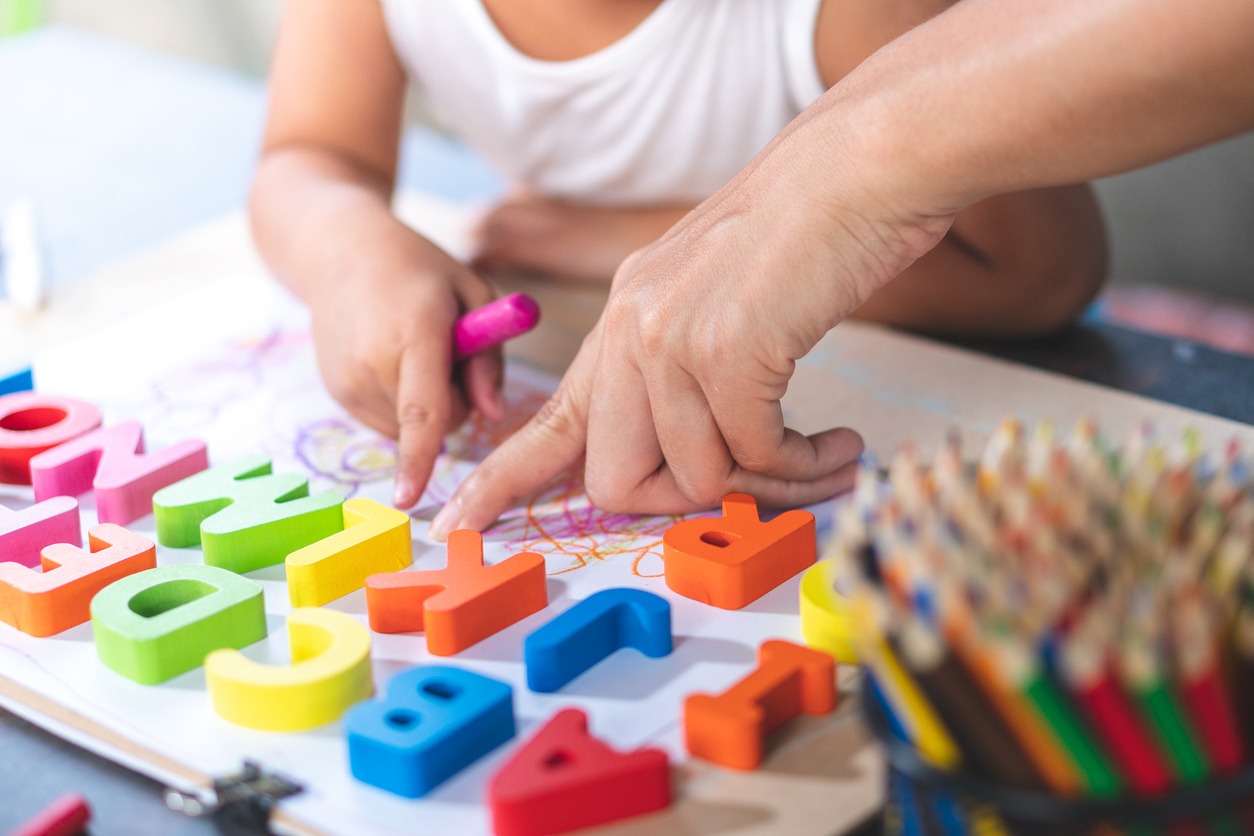
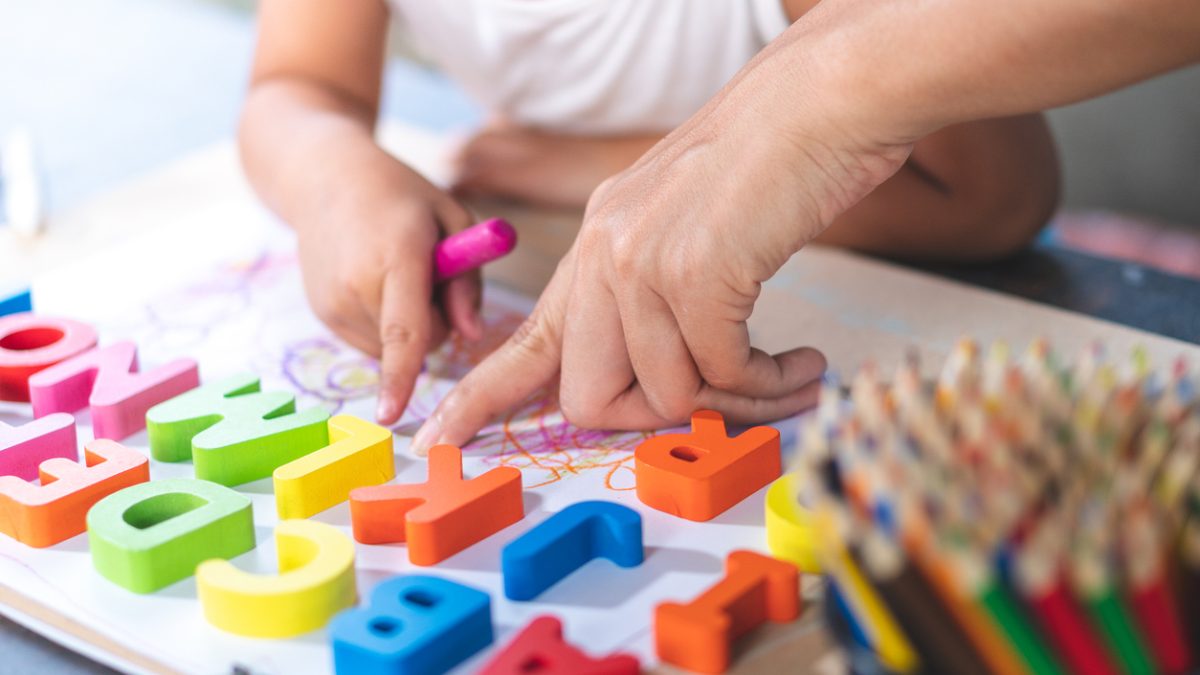
Once the language has been introduced, the lesson becomes more active. Children might play a matching game, join in a role play, respond to flashcards, complete a creative task or take part in a movement-based activity.
At this age, participation matters more than long explanations.
A good lesson keeps children busy in meaningful ways, so that English becomes something they use rather than simply hear about.
Pingu’s English describes its programme as one that develops four skills together: listening, speaking, reading and writing.
In practice, however, these do not appear in a heavy or academic form.
Speaking may begin with single words, short phrases or repeated patterns. Reading and writing are introduced gradually and in age-appropriate ways, often after the child has already heard and used the language orally. This order makes sense for young learners.
It reduces pressure and allows confidence to build step by step. It also means that a child can be learning successfully even when progress looks playful from the outside.
The final part is about review, reassurance and confidence.
By the end of the lesson, the teacher usually brings the experience together through a short review. This may happen through a final game, a recap activity, a song, a classroom routine or a simple check of what the children remember.
In the official Pingu’s English method, this stage belongs to assessment and review, but for children it should not feel like a test. The purpose is to notice progress, reinforce language and leave the lesson with a sense of success.
Parents sometimes expect dramatic results after one session, yet what matters most is consistency. A child who starts to recognise words, joins in a song, answers a simple question or feels happy to return next week is already building something valuable.
In that sense, a typical Pingu’s English lesson is not only about learning new vocabulary.
It is also about creating a positive relationship with English, one in which curiosity, enjoyment and confidence grow together.