
The right age to make English feel natural.
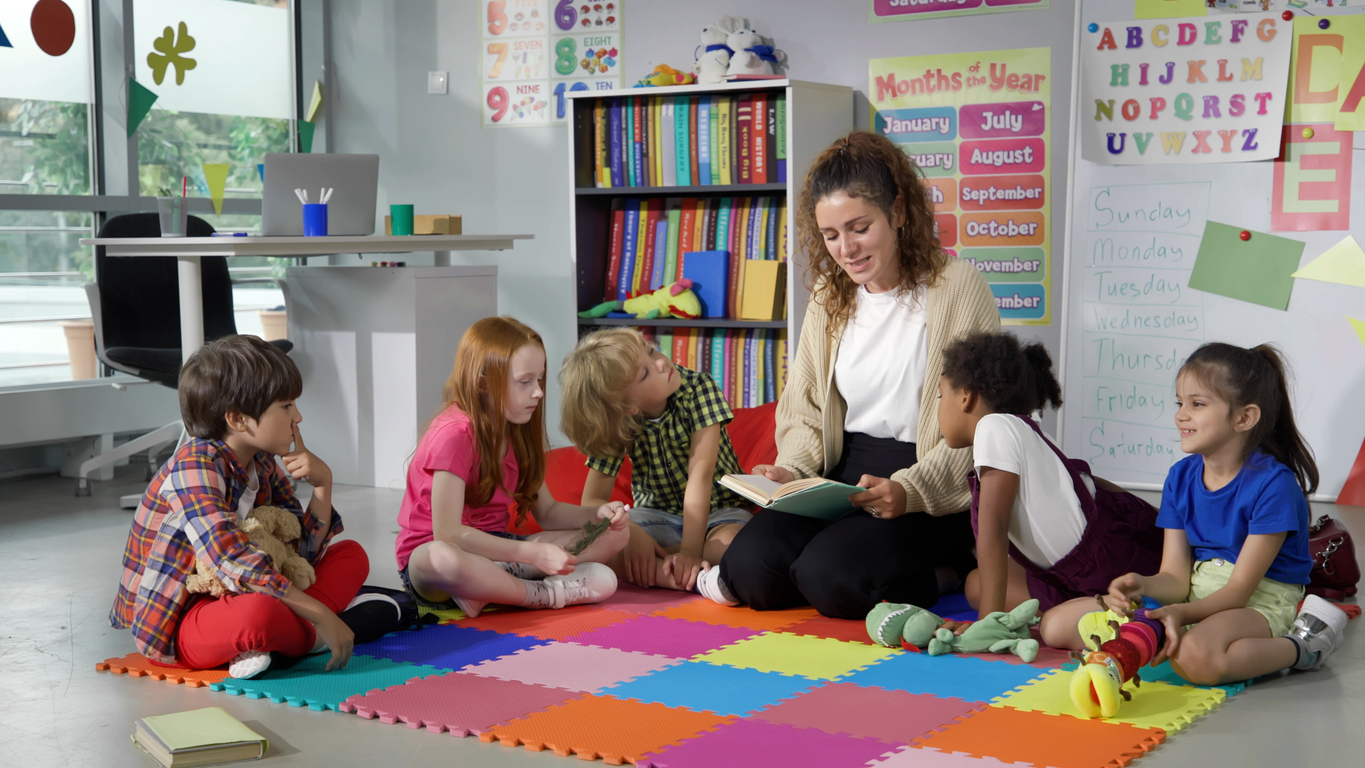
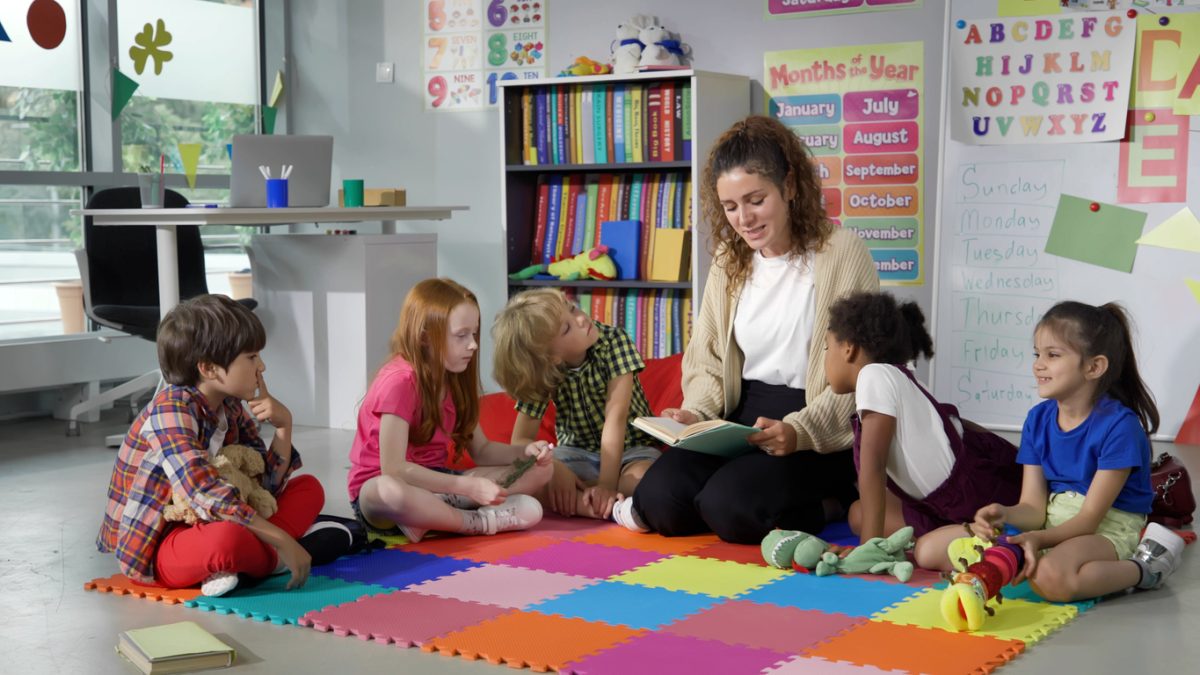
From their earliest years through to adolescence, children can discover English through age-appropriate experiences, from listening, imitation and play to reading, conversation and everyday communication.
Starting English at this age does not mean introducing difficult grammar rules or asking children to memorise long lists of words.
The aim is to make the language familiar and meaningful.
Young learners can gradually recognise sounds, understand simple instructions and connect words with actions, objects and situations. Regular exposure also gives them time to build confidence without the pressure of having to speak perfectly.
These positive experiences can be especially useful throughout their education, helping children feel more comfortable with English as they progress through different stages of school.
Instead of meeting an unfamiliar language for the first time, children already recognise many sounds, expressions and patterns. They can approach lessons with greater confidence and concentrate on developing skills they have already started to build.
Skills that can support learning at school.
Learning English early can contribute to more than language development. Activities designed for young learners often require children to listen carefully, remember instructions, take turns, recognise patterns and move from one task to another.
These are useful abilities in the classroom too.
English can also reinforce concepts children already meet at school and in everyday life.
Numbers, colours, seasons, family, food and daily routines can all be explored through another language, helping children make connections between different areas of learning.
As their English develops, children gradually build the four main language skills: listening, speaking, reading and writing, with activities adapted to their age and stage of development.
There is another important benefit. When children discover that languages can express the same idea in different ways, they become more aware of how communication works. Learning another language can encourage curiosity about other people and cultures too.
English therefore becomes not only another school subject, but also a window onto a wider world.
How Pingu’s English builds these foundations.
At Pingu’s English, the Early Learners programme offers children aged three to eight an introduction to English through activities suited to their stage of development.
Stories, songs, games, movement, drawing, creative tasks and group activities are used to keep children actively involved rather than simply asking them to memorise vocabulary.
An important part of the Pingu’s English method is spiral learning. Words and language structures return several times in different contexts, allowing children to recognise them, strengthen what they have learnt and gradually use English more independently.
The method also focuses on communication through phrases rather than isolated words and develops listening, speaking, reading and writing progressively.
Depending on their age, children may encounter a new expression through a story, song, game or conversation, before using it again in different activities. Repetition is present, but it does not have to feel repetitive.
English becomes connected with experiences, characters and situations that children can remember.
An investment that reaches beyond the classroom.
The benefits of learning English early are not measured simply by how many words a child knows.
A positive start can help children see English as something they can use, rather than something they need to be afraid of getting wrong.
That attitude can become particularly valuable as schoolwork becomes more demanding.
Over the years, English can also provide access to books, films, music, travel, study and communication with people from other countries.
Later still, it may become an important skill for university and work. For younger children, many of these possibilities are still far away, while older children may already be discovering how English can enrich their interests and everyday experiences. What matters at every age is building on existing knowledge and developing new skills in a way that feels enjoyable and achievable.
Learning English early does not mean rushing ahead. It means giving children more time to become familiar with English, develop confidence and discover that another language can be part of everyday life.
When curiosity and enjoyment come first, the skills they build today can continue to support them at school and far beyond it.
Why learning English early helps your child at school and in life